Pancreatic Cysts Prediction Project
Imbalanced data!
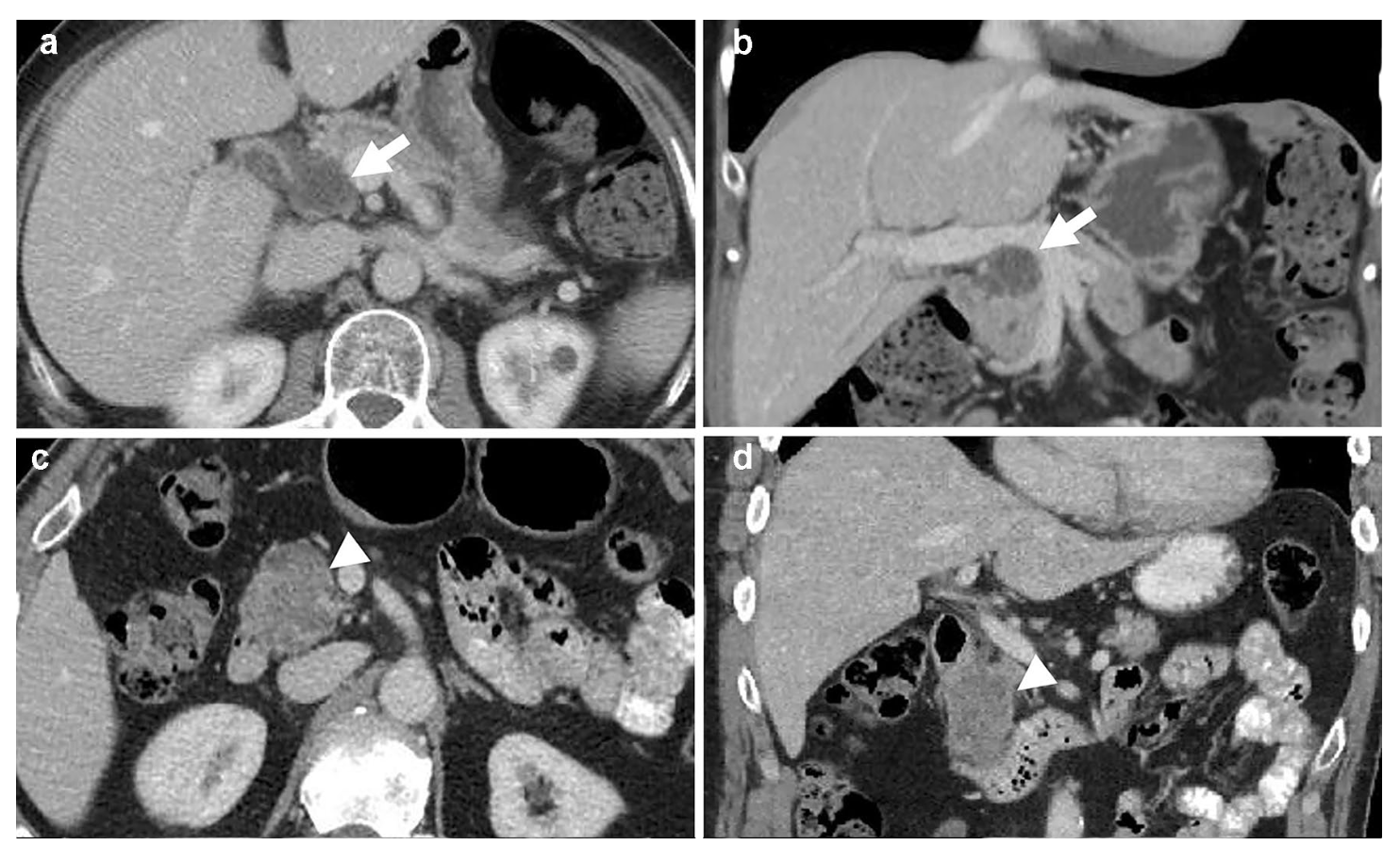 Image sourced from our publication (Awe et al., 2022)
Project Overview
During my undergraduate research, under the mentorship of Dr. Mingren Shen and Dr. Dane Morgan, I led a three-student team in developing machine learning models to classify pancreatic cysts as potentially cancerous or noncancerous. The primary clinical objective was to provide a recommendation tool that could identify harmful cysts with high sensitivity while remaining specific enough to prevent unnecessary surgical interventions.
Technical Challenges & Methodology
-
Data Sourcing: Worked with CT radiomics data provided by the University of Wisconsin School of Medicine.
-
Addressing Bias: A major challenge involved mitigating selection bias; because the data was sourced from patients who had already undergone surgery, the dataset was naturally skewed toward more severe cases.
-
Model Development: I trained an XGBoost model, addressing the class imbalance through:
-
Resampling: Experimenting with various oversampling and undersampling techniques.
-
Metric Selection: Utilizing specific performance metrics beyond simple accuracy to ensure the model remained robust despite the biased dataset.
-
Feature Engineering: Identified and analyzed key model features to ensure they aligned with medically relevant characteristics.
-
Key Outcomes
-
Leadership: Acted as the lead for a three-student development team, responsible for delegating tasks and maintaining the development schedule.
-
Publication: This research resulted in a second-author publication in the journal Abdominal Radiology titled “Machine learning principles applied to CT radiomics to predict mucinous pancreatic cysts”.
